
I have dedicated years advising players in Greece on how to maintain a healthy relationship with gambling. Self-assessment tools are the primary safeguard, and I urge anyone who plays at Slotoro Casino to use them regularly. These tools are not designed to judge or restrict fun; they serve to give you honest insights into your own behaviour. By raising the right questions and pondering on your answers, you can detect subtle shifts long before they become serious problems. This page is my real-world guide to making self-assessment a natural part of your routine.
A lot of people think of self-assessment as a single quiz if they already feel worried. In truth, it functions optimally as a proactive habit, much like monitoring your bank balance or using a scale. When you integrate short reflective moments into your week, you notice patterns early. At Slotoro Casino, we observe players who use self-assessment tools preemptively stay in control far longer. The Greek gaming landscape presents ample choice, and with choice emerges a personal duty to oversee your own engagement. Small shifts in time or money spent can seem harmless at first, but they add up. I have watched clients avoid full-blown chasing episodes purely because a quick checklist motivated them to pause. That pause is powerful, and it is inside everyone’s reach.
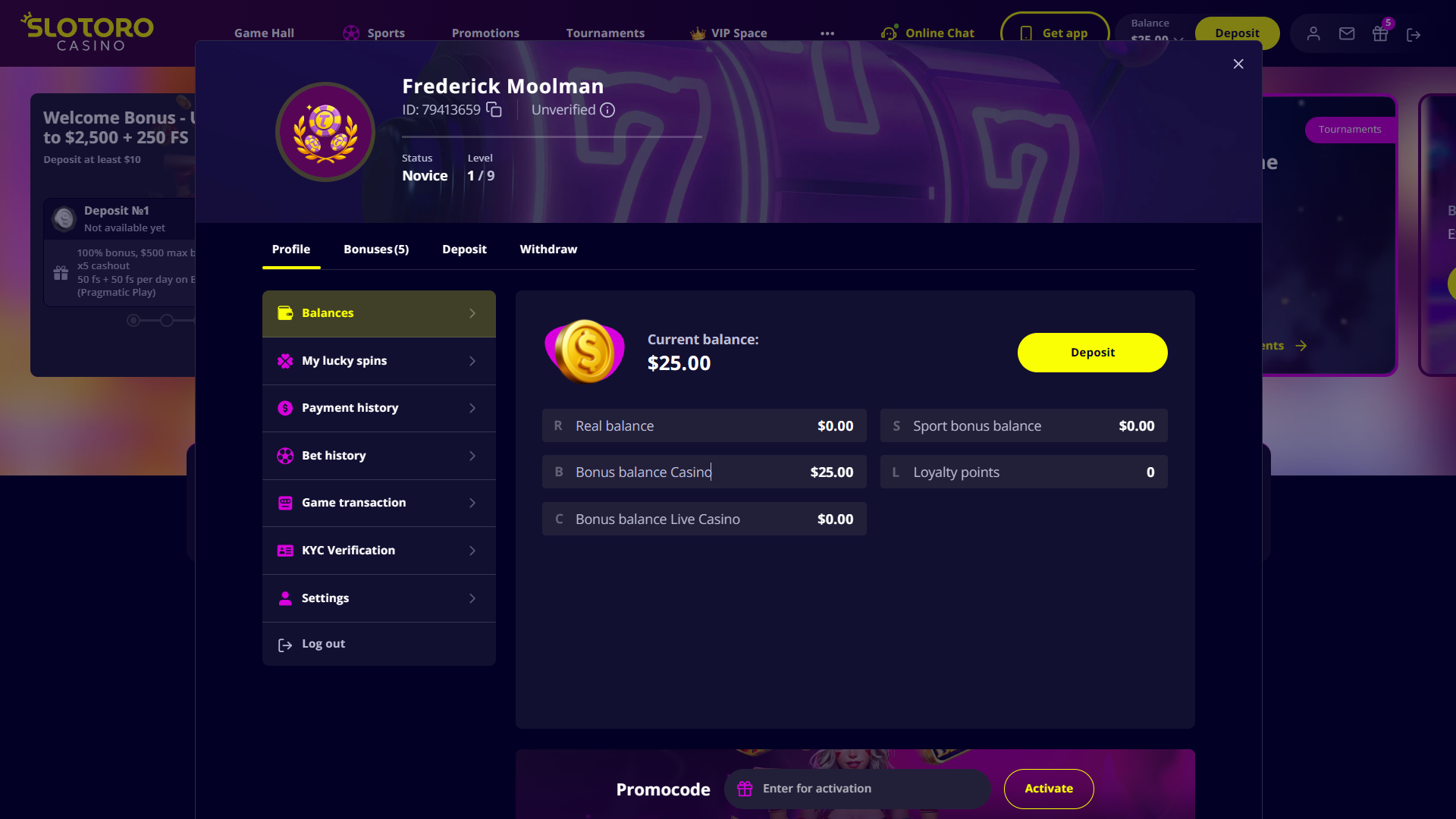
Self-assessment becomes even more meaningful when combined with the controlled gambling tools inside your Slotoro Casino account. I often assist Greek players in setting up deposit limits, session time reminders, and reality checks that pop up after a set number of minutes. These features are not designed to punish you; they serve like a gentle tap on the shoulder. When a pop-up informs you that you have been playing for forty-five minutes, it gives you a natural moment to ask, “Am I still in control, or am I on autopilot?” I have seen numerous players adjust their limits mid-session simply because the platform’s tool prompted them of their original budget. The key is to set these limits ahead of you start playing, not after you feel regret.
No self-assessment tool works in isolation. I have watched players change their habits by participating in a peer support group or simply informing one close friend about their goals. In cities like Thessaloniki and Heraklion, community-based programmes exist that value your privacy and speak Greek. Slotoro Casino’s responsible gambling resources contain links to several national and local organisations, so you never have to search alone. Share your self-assessment results with someone you trust. The simple act of expressing your concerns out loud often removes denial. I always remind players that professional advisors and helpline staff hear these stories every day, and they reply with practical guidance, never judgment.
Self-assessment goes well beyond the gaming screen. I guide players to look for changes in everyday habits. Skipping meals, avoiding social events, or losing interest in hobbies often appear long before financial stress. In Greece, where family and community life run deep, those closest to you may detect the signs first. Sleep disruption, frequent mood swings, and an urge to verify scores or bonuses repeatedly are all deserving noting. Slotoro Casino’s responsible gambling page highlights many of these signals in detail, but nothing equals your own honest journal. When you begin sacrificing activities you once cherished, it is time to revisit your self-assessment answers and talk openly with someone you confide in.
When your self-assessment signals a concern, the next step should be action. I never want anyone to experience shame at this point; asking for help is a demonstration of strength, not weakness. At Slotoro Casino, you can activate a self-exclusion period straight from your account settings. This will stop you from logging in for a duration you choose, whether a few days or several months. For players in Greece, I also suggest contacting the KETHEA ALPHA helpline (210 92 40 436) or the Therapy Center for Dependent Individuals in Athens. Both offer free, confidential support from professionals who are familiar with the local culture. περιηγηθείτε τώρα Complement a platform break with real-world counselling, and the path forward turns much clearer.
I advise a simple, five-minute routine that you can complete weekly. You do not need a complex spreadsheet or psychological training. Start by asking yourself five direct questions. If you answer yes to two or more, it is time to tighten your limits or speak with a support professional. Write your answers down so you can examine them over time; patterns often speak louder than single moments. Here are the questions I provide to every player who consults me:
This checklist does not label you. It simply illuminates behaviours that often fade from view in the rhythm of daily life. I refresh my own personal scorecard every Sunday evening, and it gives me a clear, honest baseline.
What is the recommended frequency for self-assessment tools?
I recommend a weekly check-in as a baseline. If you have previously faced challenges with control or are going through a stressful period in Greece, such as financial pressure or family changes, then a short daily reflection works better. The goal is regularity, not intensity. Even two minutes spent to reviewing your last session can increase your vigilance before small issues develop.
Is self-assessment a substitute for professional help?
No, it enhances professional support but does not substitute for it. Self-assessment aids you identify early alterations, whereas a trained therapist can address deeper emotional drivers. I recommend anyone who shows significant signs of warning signs to pair personal reflection with a reach-out to KETHEA ALPHA or a similar Greek service. The two approaches together create a strong safety net.
What restrictions can I establish at iefimerida.gr Slotoro Casino?
You can configure daily, weekly, or monthly deposit limits, session time reminders, and reality check alerts that interrupt your play at intervals you choose. These limits can be decreased instantly, and any increase activates a cooling-off delay. I always advise establishing them before your first spin, as this structures your entire session around a distinct, predetermined boundary.
Are there free resources in Greece for gambling addiction?
Yes, several options exist at no cost. The KETHEA ALPHA programme provides face-to-face and telephone counselling in Athens, while the Therapy Center for Dependent Individuals delivers statewide support. Gamblers Anonymous also runs Greek-language meetings online. Slotoro Casino’s responsible gambling page connects directly to these services, so you can access immediate, free help.
Does self-exclusion influence my ability to play at other casinos?
Self-exclusion at Slotoro Casino is valid only to your account on this platform. To limit access across multiple sites, you may need to register with a national self-exclusion scheme if one becomes available in Greece. I always advise setting self-exclusion at any casino where you maintain an account during a cooling-off period to eliminate temptation completely.
How do I know if I am just on a losing streak or developing a real issue?
A losing streak is about chance and probability; a gambling issue is about your response to losses. If you find yourself chasing losses, covering up the extent of your play, or experiencing genuine distress that lasts beyond the session, that suggests a deeper pattern. I encourage players to trust their self-assessment answers over instinct in these moments. The checklist never lies.

